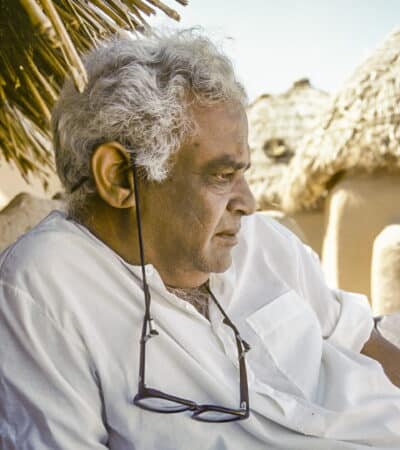
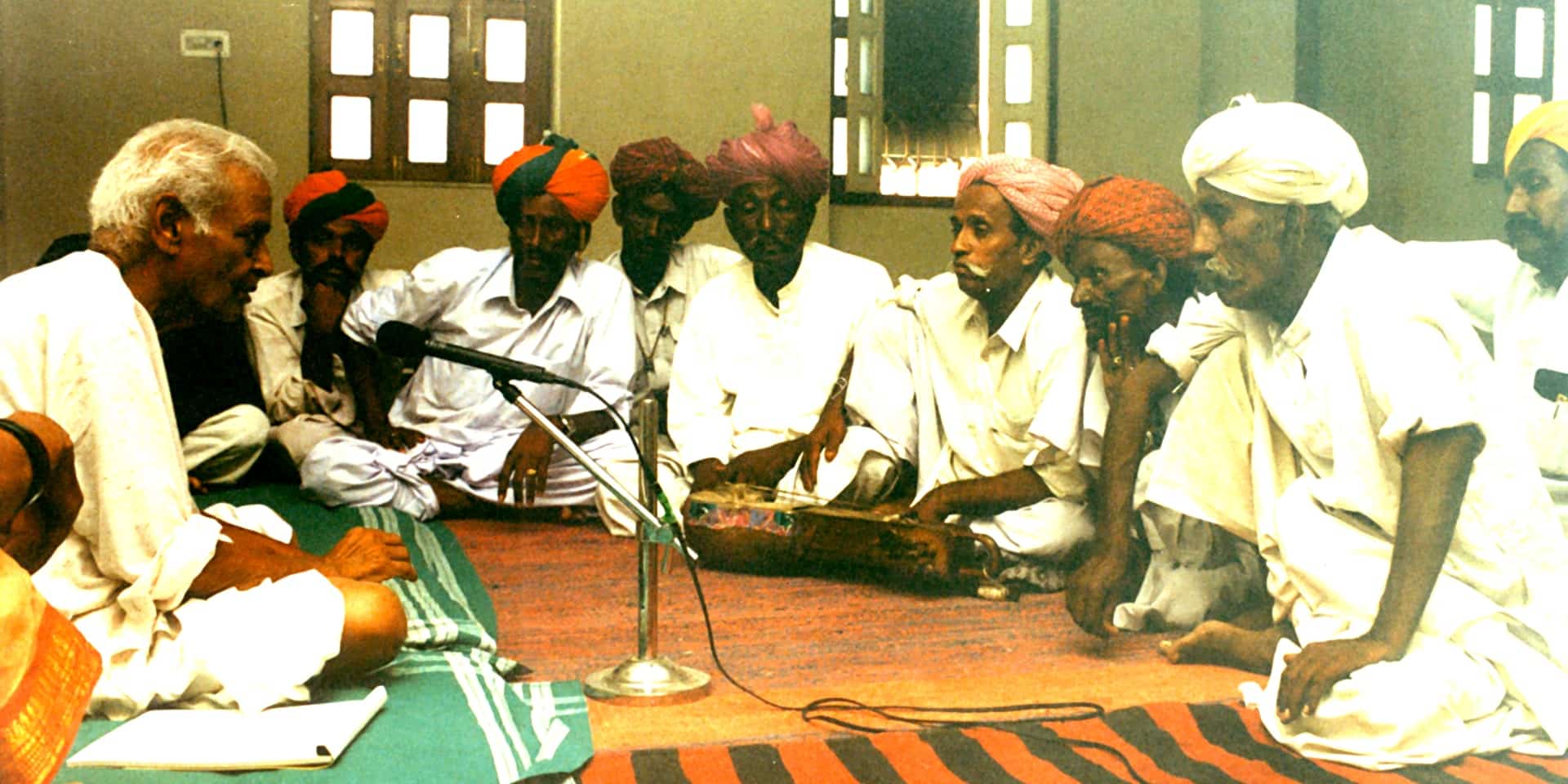
It is difficult to define Komal Kothari in simple terms. Though not an academic by training, his insights into folklore, ethnomusicology, and traditional knowledge systems of Rajasthan earned him the respect of scholars and cultural thinkers across the world.
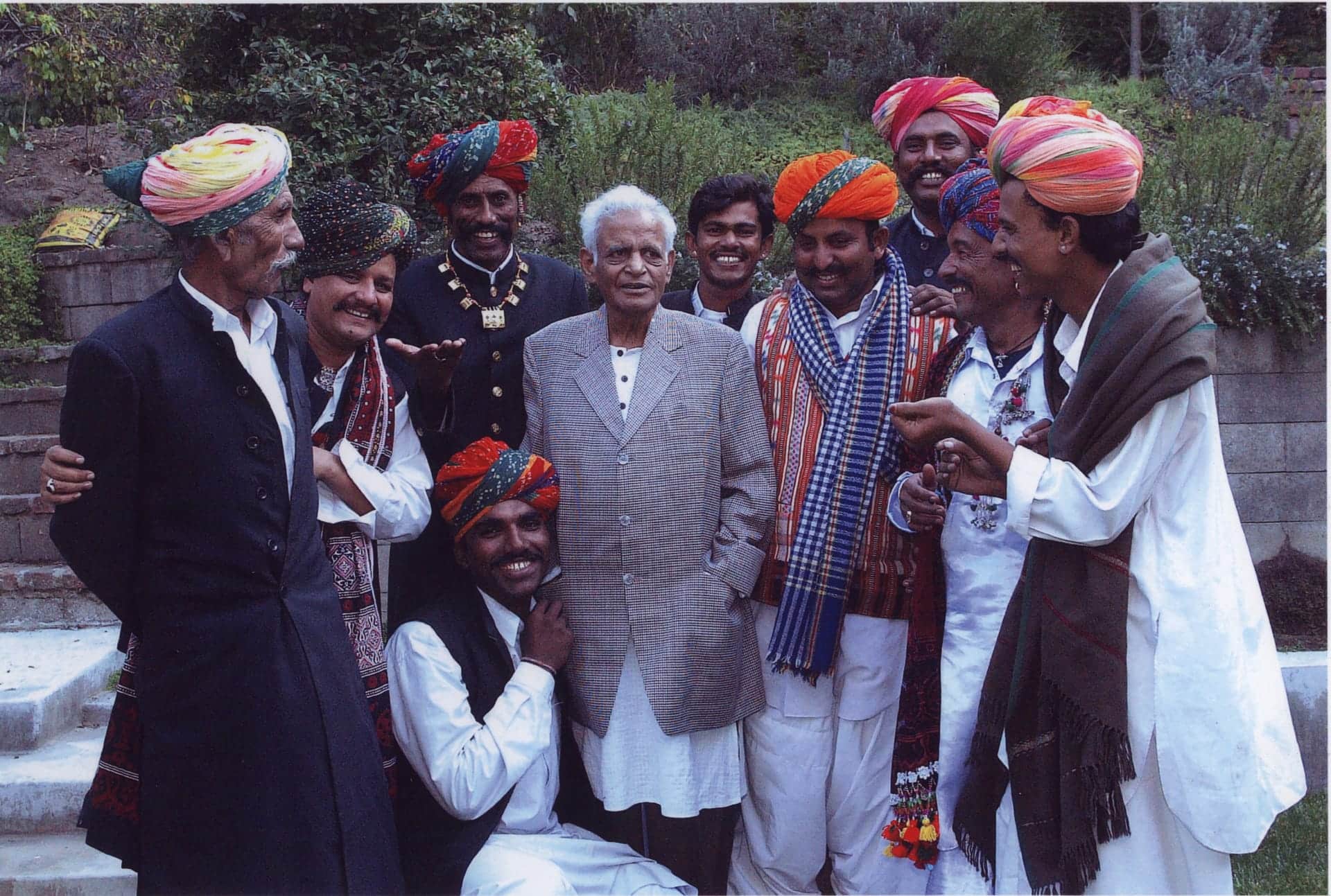
In the realm of performance, he stands as one of the pioneers of Rajasthani folk music, credited with organizing vast repertoires and introducing desert musicians to audiences across India and beyond. His efforts not only showcased the richness of Rajasthan’s oral traditions but also transformed the lives of its folk artists.
Knowledge, Ecology, and the Oral Tradition
Among environmental thinkers, Kothari is remembered for his deep understanding of the ecological wisdom embedded in local practices – from traditional water harvesting and irrigation to systems of agriculture and waste management that sustained communities for centuries.
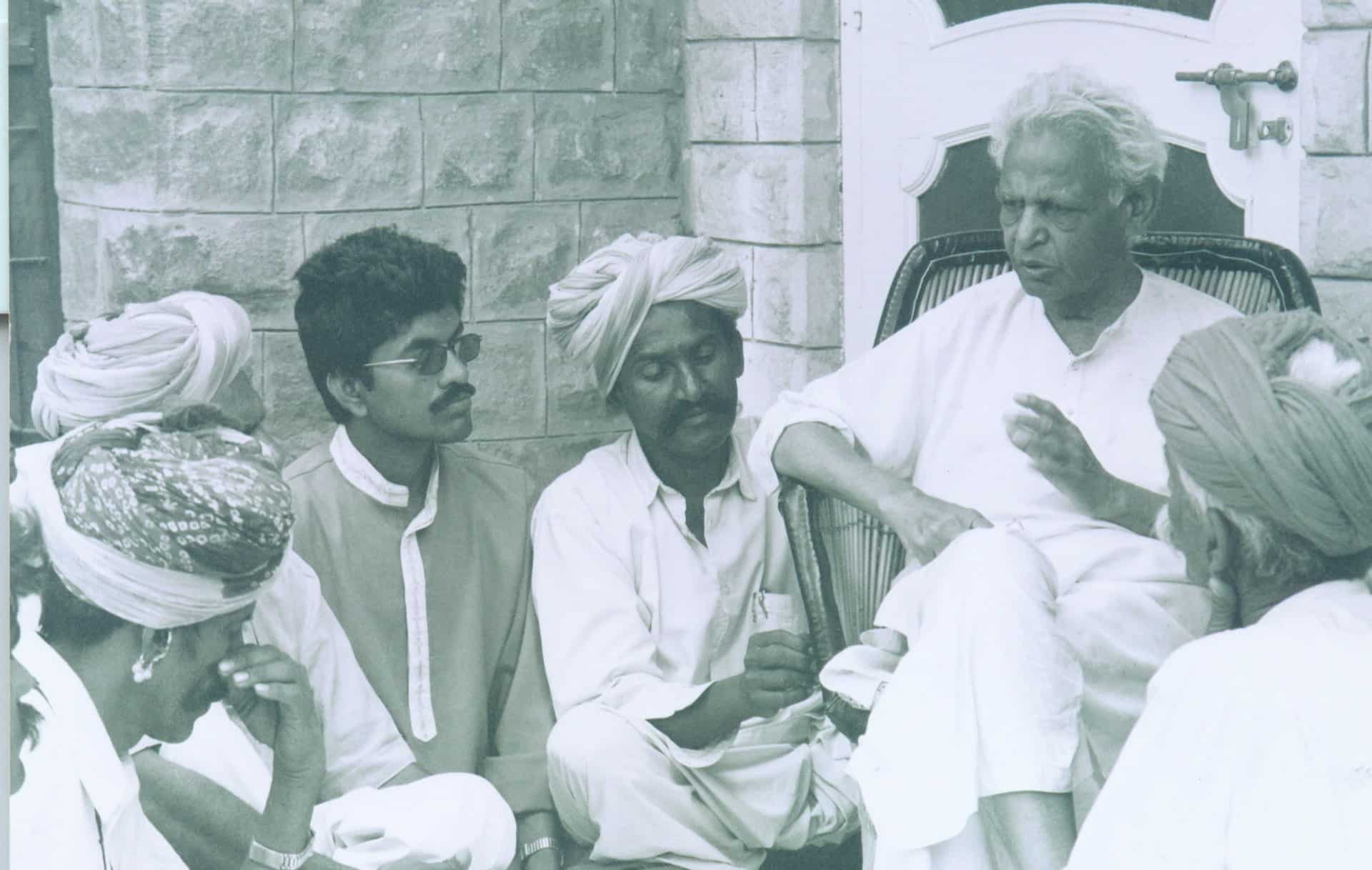
Yet beyond these achievements, those who met him remember him as a captivating conversationalist – someone who could bridge worlds effortlessly. Whether speaking with a villager or an academic, he revealed extraordinary connections between knowledge systems with simplicity, warmth, and clarity.
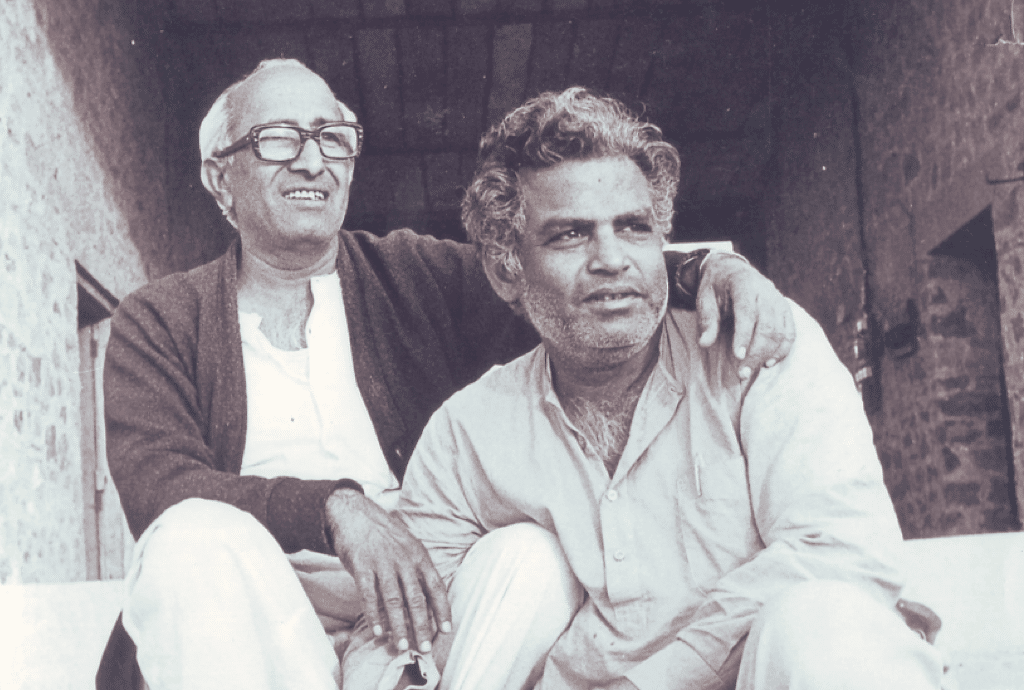
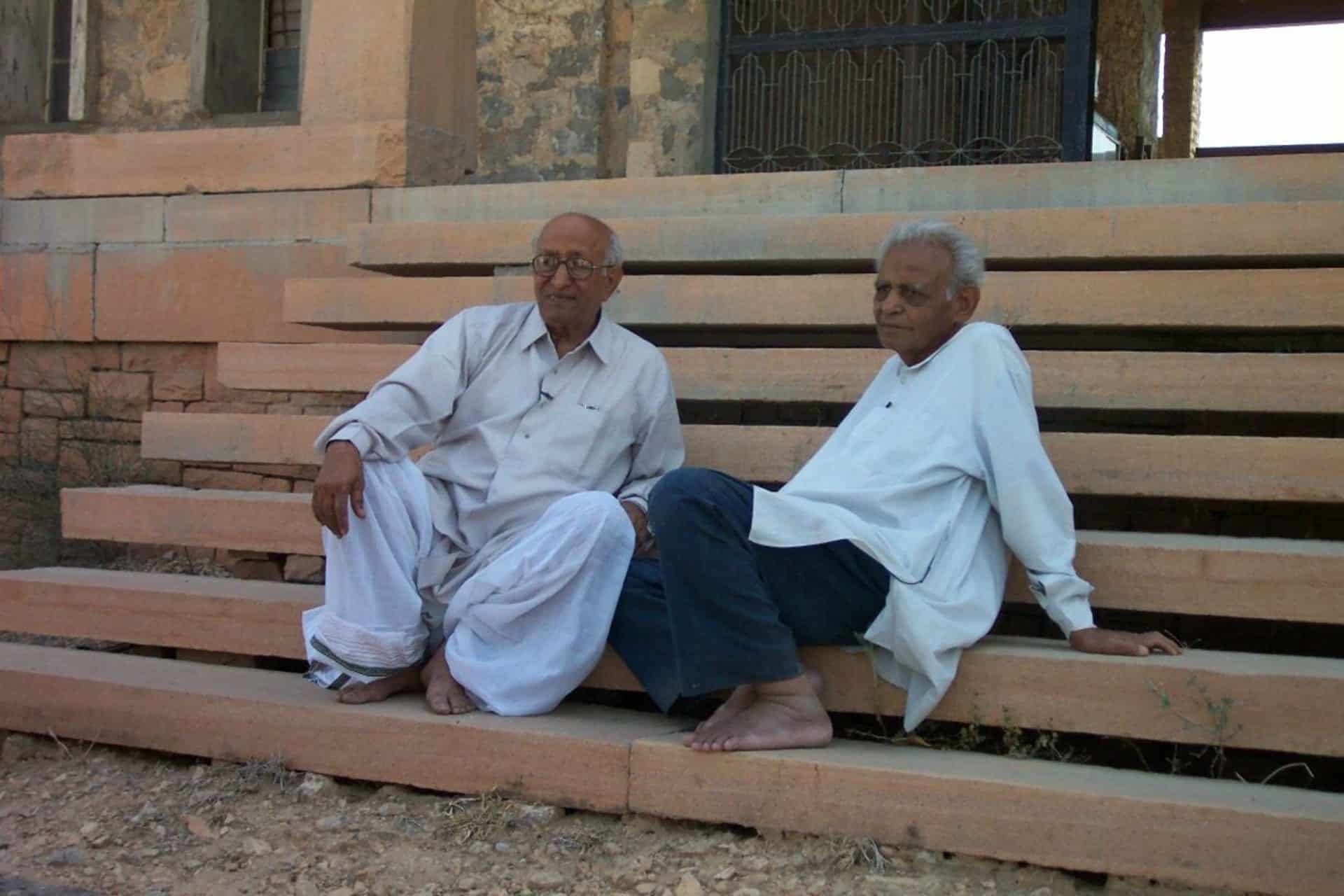
Kothari’s journey began in Borunda, where he and his close friend, the master storyteller Vijay Dan Detha, founded Rupayan Sansthan – a grassroots institution dedicated to documenting and studying the oral traditions of Rajasthan. Together, they explored folk narratives, epics, songs, and their deep relationships with agriculture, caste, land, and water – the very fabric of rural life.
Legacy and the Making of Arna-Jharna
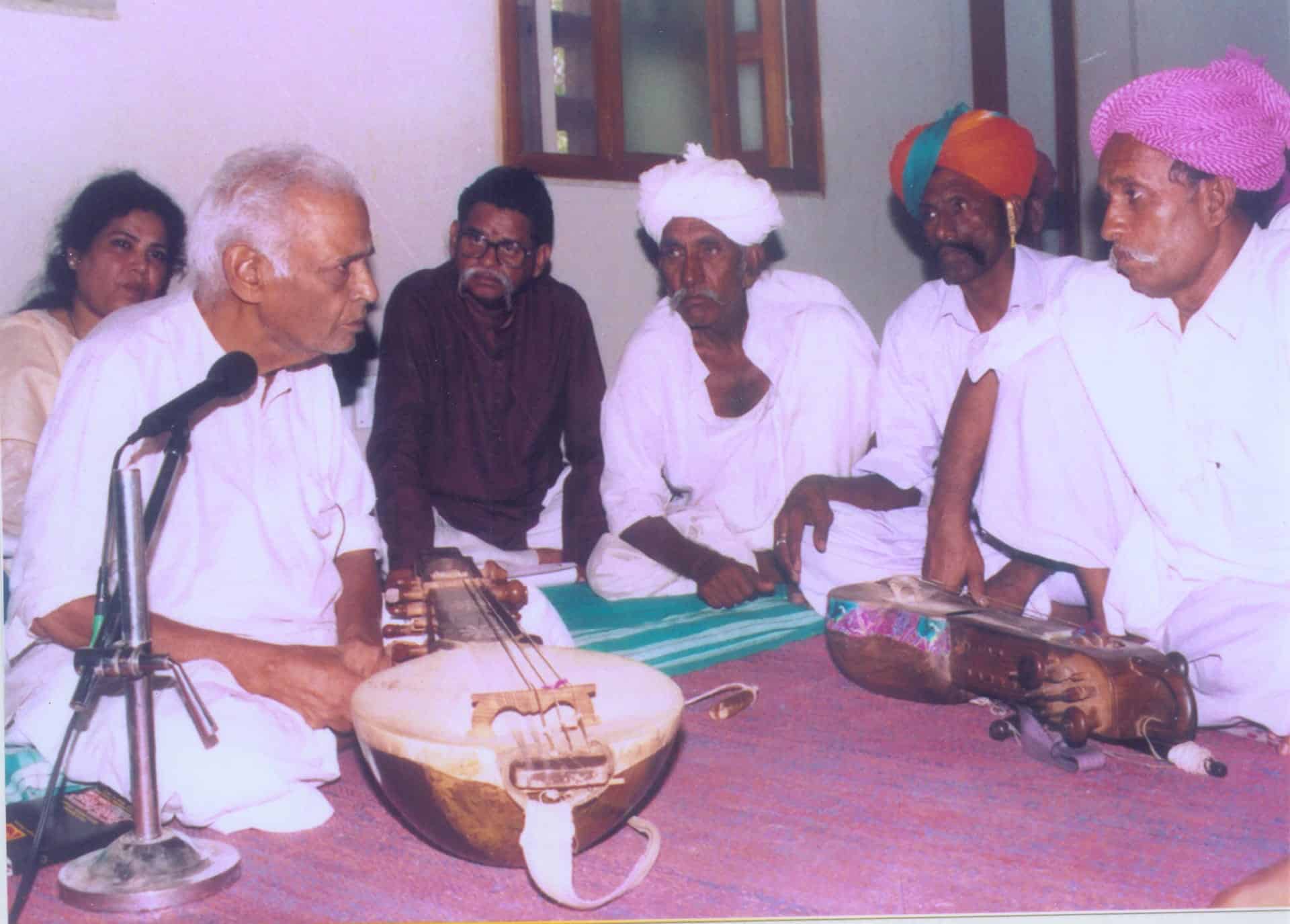
As the first Secretary of the Sangeet Natak Akademi, Jodhpur, Kothari immersed himself in the musical traditions of the Langa and Manganiar communities. In the 1950s, these art forms were largely unknown beyond their villages. Today, their music has travelled across continents – a transformation made possible through Kothari’s vision and his commitment to improving the social and economic dignity of folk musicians.
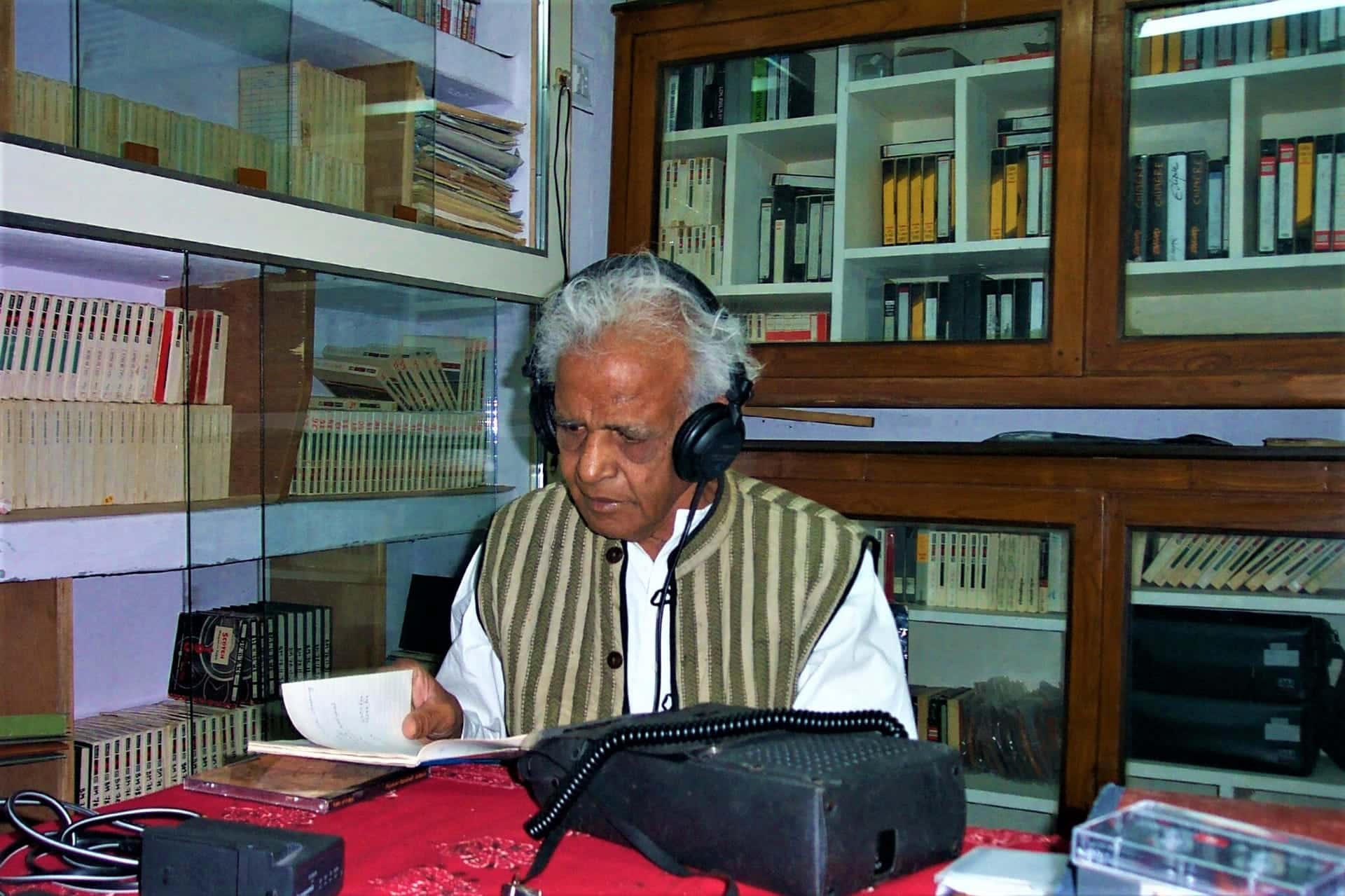
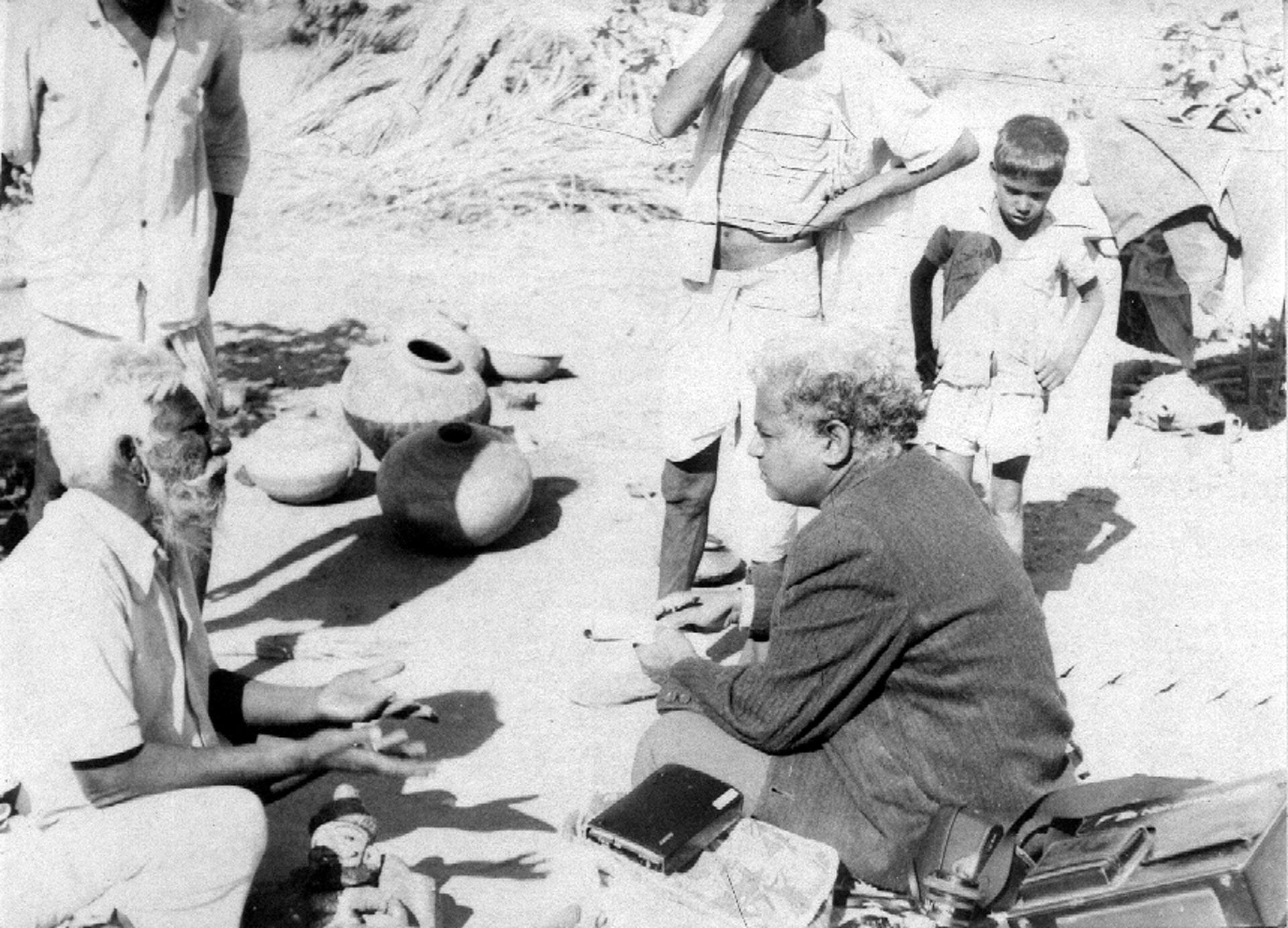
From the late 1980s onward, supported by the Ford Foundation, Kothari returned to Jodhpur to deepen his work – archiving oral histories, genealogies, and performance traditions, while also initiating seminars, concerts, and ecological dialogues. His practice constantly evolved, bridging the traditional and the contemporary, the local and the global.
It was this lifelong pursuit – to connect knowledge systems of the desert – that eventually inspired him to envision Arna-Jharna: The Desert Museum of Rajasthan. In his final years, he dedicated himself to laying its foundations, imagining it as a living museum where ecology, culture, and learning coexist. Though he passed away before seeing it completed, his spirit continues to shape the museum’s purpose – as its founder, guide, and enduring inspiration.